Plant Layout Design for Manufacturing Facilities

A well-designed plant layout does more than determine where equipment will be installed. It establishes how materials, employees, equipment, utilities and information move through a manufacturing facility.

Plant Layout Design

Effective plant layout design can reduce material handling, eliminate bottlenecks, improve worker safety, increase production capacity and create room for future growth. A poor layout can produce the opposite result: excessive travel, congestion, inefficient labor utilization, difficult maintenance access and production constraints that become expensive to correct.

Crow Engineering provides plant layout design and engineering services for new facilities, plant expansions, equipment modernization projects and existing manufacturing operations. Our engineers develop practical layouts that account for production requirements, equipment specifications, material flow, facility limitations, safety and long-term operational objectives.

Learn more about our Plant Layout Design Services

Engineering Services

What Is Plant Layout Design?

Plant layout design is the process of determining the most effective physical arrangement of equipment, production areas, material-handling systems, utilities, storage, workstations and support spaces within an industrial facility.

The objective is to create a coordinated manufacturing environment in which:

  • Raw materials enter the facility efficiently
  • Materials move logically between operations
  • Equipment is positioned to support the production sequence
  • Employees can work safely and productively
  • Maintenance teams have adequate access
  • Finished products can be stored and shipped efficiently
  • Future equipment and production changes can be accommodated

Plant layout design combines engineering, production planning, material-flow analysis and facility planning. The final layout must support the manufacturing process while respecting the physical limitations of the building and site.

Every engagement with Crow will start with our process improvement engineers listening to the needs of your business. From that point, we can act as or augment your executing team to execute your capital program. We want to be the partner you turn to to re-engineer your business.

Typical engagements include:

  • Greenfield plant design
  • Brownfield process line modifications
  • Process line changes to support new products
  • Eliminating manual interaction or operations within your process
  • Fixing difficult maintenance or reliability issues within the mill
  • Project or Construction management to represent your interests in a project

Vendor Management

We partner with you to provide extensive assistance in managing vendors and contractors with several key aspects, including:

  • Helping to find and evaluate new sources for equipment and construction labor
  • Executing fair and competitive bid processes
  • Providing full financial visibility into your project execution
  • Managing your vendors as one of your own team members to deliver a high-quality product on time

Manufacturing plants operating in any industry must continually evolve to meet their changing market demands. This poses challenges to companies to stay abreast of all technological advancements in their market as well as with their own resources and raw materials. While companies strive to provide quality products with efficient processes, they are hit with rising material costs and labor shortages. This poses a real challenge for businesses in any industry today to continue to provide quality products on time.

Our process engineering services are customized to your manufacturing and process needs. We help companies to overcome labor shortages, high costs of operation, and shortcomes in product offerings with efficient plant layout, automation, and customized process engineering optimization.

Some of the most common engineering and design services we provide include:

Equipment Evaluations

Crow Engineering provides a wide range of engineering and design services, including in-depth evaluations relating to building layout, utilization, and structural systems, as well as equipment configurations, engineering, and design.

Building Evaluations

Crow provides extensive experience in several key aspects of building evaluations. We offer construction review services, including renovations and seismic upgrades. We provide foundation analysis and design, which includes pile-supported foundation systems, conventional and special foundation systems, and mat slab foundations.

Crow Engineering process improvement engineers focus on developing the most effective and efficient layout for all machinery and equipment, including engineering and design of conveying and material transfer systems. We can help re-create your as-built conditions and determine the necessary modifications required to execute your capital program. We help to optimize equipment configurations and assist with technical upgrades or retrofits.

We coordinate with all vendors for integration into your overall plant and product line layout. Our process engineering services help customers operate safer, more efficient plants, which ultimately improves productivity and profitability.

Crow Engineering utilizes state-of-the-art process engineering tools, technology, and software in all design, analysis, and production services to ensure the most cost-effective and functional implementation. We utilize finite element analysis programs, AutoCAD, Revit, and other Building Information Modeling (BIM) technology, as well as a full library of engineering components developed in our 50+ years of experience.

Crow Engineering offers experience in process engineering for a variety of commercial and industrial operations. Located on the beautiful west coast near Portland, OR, we have extensive knowledge in helping many businesses in the forestry and wood products industry, although offer the same process engineering services to a multitude of markets, including construction, marine, agriculture, energy, food and beverage companies and more.

Our team possesses extensive knowledge and a unique set of diverse skills that benefit our customers as we get involved in every phase of the construction and engineering process. We fine-tune and perfect your plant layout, equipment optimization, and flow of goods, no matter your industry or market application.

Crow Engineering offers something other traditional engineering firms do not: we understand your business’s objectives. We manage your entire project to meet these objectives while you remain fully in control. Contact us to learn more about the many advantages of partnering with Crow Engineering for all your plant design and process engineering services.

Why Plant Layout Design Matters

A manufacturing facility can contain capable equipment and experienced employees and still underperform because of its physical layout.

Excessive distance between operations increases material-handling time and cost. Poorly positioned equipment creates congestion. Inadequate maintenance access increases downtime. Limited staging space disrupts production. Unplanned expansion can force equipment into locations that restrict future growth.

A properly engineered plant layout can help manufacturers:

  • Increase production throughput
  • Reduce material movement
  • Improve labor efficiency
  • Eliminate process bottlenecks
  • Improve worker and visitor safety
  • Reduce work-in-process inventory
  • Improve equipment access
  • Support automation and modernization
  • Make better use of available floor space
  • Prepare for future capacity requirements

Plant layout decisions can affect a facility for decades. Addressing layout requirements early is generally less expensive than correcting structural, utility or production-flow problems after equipment has been installed.

640a814298987

Plant Layout Design for New and Existing Facilities

Plant layout engineering is used in several types of manufacturing projects.

New Manufacturing Facilities

A greenfield project provides an opportunity to design the facility around the production process from the beginning.

The engineering team can evaluate:

  • Building dimensions and orientation
  • Receiving and shipping access
  • Equipment placement
  • Production sequence
  • Utility routing
  • Material storage
  • Personnel movement
  • Maintenance access
  • Environmental systems
  • Future expansion areas

A new plant layout should not be designed only for current production. It should also consider likely changes in equipment, products, automation and capacity.

Learn More

Please enter your name.
Please enter a message.

Existing Plant Optimization

Existing facilities often evolve one equipment installation at a time. Over time, a layout that once worked well may become inefficient.

Plant layout optimization can address problems such as:

  • Congested production areas
  • Excessive forklift traffic
  • Long material travel distances
  • Disconnected operations
  • Inadequate staging areas
  • Poorly positioned storage
  • Limited maintenance access
  • Production bottlenecks
  • Unsafe pedestrian routes
  • Underutilized floor space

An existing plant layout study allows the engineering team to document current conditions, identify constraints and evaluate improved layout scenarios.

Learn more about Plant Optimization.

Learn more about Manufacturing Facility Design.
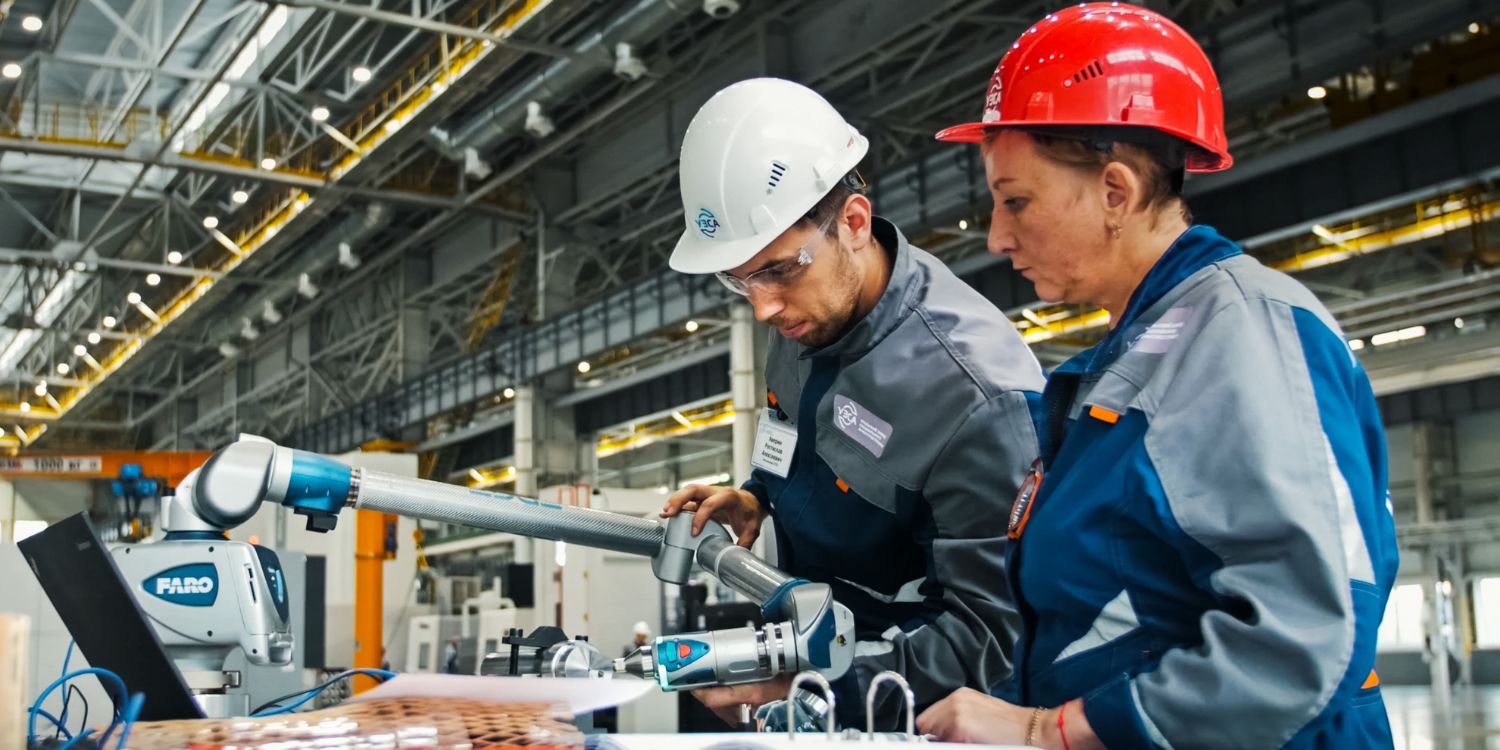
A Plant layout utilizing machine automation.

Plant Expansions

Plant expansions require coordination between the existing operation and the proposed addition.

The layout must account for:

  • Connections between new and existing production areas
  • Equipment relocation
  • Temporary production requirements
  • Building-column locations
  • Utility extensions
  • Material-flow changes
  • Construction phasing
  • Future expansion
  • Employee and vehicle access

A successful expansion should improve the overall facility rather than simply add square footage.

Every engagement with Crow will start with our process improvement engineers listening to the needs of your business. From that point, we can act as or augment your executing team to execute your capital program. We want to be the partner you turn to to re-engineer your business.

Typical engagements include:

  • Greenfield plant design
  • Brownfield process line modifications
  • Process line changes to support new products
  • Eliminating manual interaction or operations within your process
  • Fixing difficult maintenance or reliability issues within the mill
  • Project or Construction management to represent your interests in a project

Vendor Management

We partner with you to provide extensive assistance in managing vendors and contractors with several key aspects, including:

  • Helping to find and evaluate new sources for equipment and construction labor
  • Executing fair and competitive bid processes
  • Providing full financial visibility into your project execution
  • Managing your vendors as one of your own team members to deliver a high-quality product on time

Manufacturing plants operating in any industry must continually evolve to meet their changing market demands. This poses challenges to companies to stay abreast of all technological advancements in their market as well as with their own resources and raw materials. While companies strive to provide quality products with efficient processes, they are hit with rising material costs and labor shortages. This poses a real challenge for businesses in any industry today to continue to provide quality products on time.

Our process engineering services are customized to your manufacturing and process needs. We help companies to overcome labor shortages, high costs of operation, and shortcomes in product offerings with efficient plant layout, automation, and customized process engineering optimization.

Some of the most common engineering and design services we provide include:

Equipment Evaluations

Crow Engineering provides a wide range of engineering and design services, including in-depth evaluations relating to building layout, utilization, and structural systems, as well as equipment configurations, engineering, and design.

Building Evaluations

Crow provides extensive experience in several key aspects of building evaluations. We offer construction review services, including renovations and seismic upgrades. We provide foundation analysis and design, which includes pile-supported foundation systems, conventional and special foundation systems, and mat slab foundations.

Crow Engineering process improvement engineers focus on developing the most effective and efficient layout for all machinery and equipment, including engineering and design of conveying and material transfer systems. We can help re-create your as-built conditions and determine the necessary modifications required to execute your capital program. We help to optimize equipment configurations and assist with technical upgrades or retrofits.

We coordinate with all vendors for integration into your overall plant and product line layout. Our process engineering services help customers operate safer, more efficient plants, which ultimately improves productivity and profitability.

Crow Engineering utilizes state-of-the-art process engineering tools, technology, and software in all design, analysis, and production services to ensure the most cost-effective and functional implementation. We utilize finite element analysis programs, AutoCAD, Revit, and other Building Information Modeling (BIM) technology, as well as a full library of engineering components developed in our 50+ years of experience.

Crow Engineering offers experience in process engineering for a variety of commercial and industrial operations. Located on the beautiful west coast near Portland, OR, we have extensive knowledge in helping many businesses in the forestry and wood products industry, although offer the same process engineering services to a multitude of markets, including construction, marine, agriculture, energy, food and beverage companies and more.

Our team possesses extensive knowledge and a unique set of diverse skills that benefit our customers as we get involved in every phase of the construction and engineering process. We fine-tune and perfect your plant layout, equipment optimization, and flow of goods, no matter your industry or market application.

Crow Engineering offers something other traditional engineering firms do not: we understand your business’s objectives. We manage your entire project to meet these objectives while you remain fully in control. Contact us to learn more about the many advantages of partnering with Crow Engineering for all your plant design and process engineering services.

Equipment Modernization

New equipment frequently changes plant layout requirements.

Modern equipment may have different:

  • Production capacities
  • Footprints
  • Electrical loads
  • Dust-collection requirements
  • Operator access requirements
  • Infeed and outfeed configurations
  • Foundation requirements
  • Maintenance clearances

Replacing a production machine without evaluating the surrounding layout can transfer a bottleneck from one operation to another. Crow Engineering evaluates the new equipment in the context of the entire production system.

An existing plant layout study allows the engineering team to document current conditions, identify constraints and evaluate improved layout scenarios.

Learn more about Systematic Layout Planning

Developing Your Infrastructure Playbook

The Plant Layout Design Process

Every successful manufacturing facility begins with a structured engineering process.

From defining production goals to planning installation, each stage builds on the previous one to create a plant layout that improves material flow, increases productivity, supports worker safety, and prepares your facility for future growth.

Explore each step to see how Crow Engineering approaches plant layout design.

The first step is to establish what the project must accomplish.

Objectives may include:

  • Increasing production capacity
  • Installing new equipment
  • Reducing labor requirements
  • Improving material flow
  • Expanding into a new product
  • Consolidating operations
  • Improving safety
  • Reducing work-in-process inventory
  • Preparing for automation
  • Adding warehouse or shipping capacity

Clear objectives allow layout alternatives to be evaluated against measurable operational requirements.

For an existing facility, engineers must develop an accurate understanding of the current plant.

This may include documenting:

  • Building dimensions
  • Structural columns
  • Existing equipment
  • Electrical services
  • Compressed-air systems
  • Dust collection
  • Process piping
  • Fire-protection systems
  • Storage areas
  • Offices and employee facilities
  • Vehicle and pedestrian routes
  • Receiving and shipping areas

Existing drawings can provide a starting point, but field verification is often required because industrial facilities change over time.

The plant layout should follow the production process—not force the process to accommodate an arbitrary arrangement.

The engineering team reviews:

  • Process steps
  • Production rates
  • Equipment cycle times
  • Material dimensions and weights
  • Work-in-process requirements
  • Batch sizes
  • Quality-control points
  • Rework loops
  • Scrap and waste handling
  • Packaging requirements
  • Finished-goods movement

This analysis helps identify the relationships that must exist between equipment and production areas.

Material flow is one of the most important considerations in manufacturing plant layout design.

Engineers evaluate how raw materials, components, work in process, finished products, waste and packaging materials move through the facility.

The objective is generally to:

  • Reduce unnecessary travel
  • Minimize material handling
  • Avoid backtracking
  • Reduce transfer points
  • Separate conflicting traffic
  • Maintain adequate staging space
  • Protect product quality
  • Support a continuous production sequence

A layout that reduces material travel can lower operating costs even when production equipment remains unchanged.

Each piece of equipment must be evaluated beyond its basic footprint.

Layout requirements may include:

  • Infeed and outfeed space
  • Operator work zones
  • Safety clearances
  • Maintenance access
  • Tool-change access
  • Lifting and rigging requirements
  • Foundation requirements
  • Electrical service
  • Compressed air
  • Process water
  • Dust collection
  • Ventilation
  • Controls and communication systems

Equipment vendor drawings should be reviewed and coordinated with the overall plant design.

Engineers typically develop one or more conceptual layouts.

Each layout may explore different approaches to:

  • Equipment arrangement
  • Material flow
  • Building usage
  • Expansion
  • Storage
  • Shipping and receiving
  • Production sequencing
  • Utilities
  • Construction phasing

Conceptual alternatives allow the project team to compare tradeoffs before committing to detailed engineering.


A layout should not be selected solely because it looks orderly on a drawing.

Alternatives should be evaluated using criteria such as:

  • Material travel distance
  • Production throughput
  • Equipment utilization
  • Labor requirements
  • Safety
  • Maintenance access
  • Implementation cost
  • Construction complexity
  • Operational disruption
  • Future flexibility

The best layout is the one that produces the strongest overall operational result—not necessarily the layout that minimizes a single measurement.

Once a preferred layout is selected, the project moves into more detailed engineering.

Depending on the project, this may include:

  • Equipment arrangement drawings
  • Foundation plans
  • Structural modifications
  • Electrical distribution
  • Process piping
  • Compressed-air systems
  • Dust-collection systems
  • Ventilation
  • Fire-protection coordination
  • Material-handling systems
  • Conveyor layouts
  • Access platforms
  • Equipment supports
  • Construction documents

Detailed engineering transforms the plant layout concept into an executable project.

Implementation planning is particularly important in an operating facility.

The plan may address:

  • Equipment shutdowns
  • Temporary production routes
  • Construction sequencing
  • Equipment relocation
  • Utility cutovers
  • Contractor access
  • Safety barriers
  • Production restart
  • Commissioning

Phased implementation can allow manufacturers to improve their layout without shutting down the entire facility for an extended period.

Types of Plant Layouts

Manufacturing facilities commonly use several types of plant layouts. Many real-world plants use a combination of these approaches. Explore each area to the right.

Key Plant Layout Design Considerations

Every manufacturing facility has unique operational requirements, equipment constraints, and production goals. An effective plant layout balances these competing priorities to create a facility that is efficient today while remaining adaptable for tomorrow.

Crow Engineering evaluates each of the considerations below when developing a plant layout. From material flow and equipment clearances to utility infrastructure and future expansion, every decision is made with the goal of improving productivity, reducing operational risk, and supporting long-term manufacturing success.


Material handling should be evaluated as part of the plant layout—not added after equipment locations have been finalized.

The engineering team should consider:

  • Forklifts
  • Conveyors
  • Cranes
  • Automated guided vehicles
  • Carts
  • Chutes
  • Pneumatic systems
  • Manual handling
  • Transfer tables
  • Storage racks

The selected system should match the material characteristics, production rate and operating environment.

Equipment requires adequate room for more than normal operation.

Clearances should account for:

  • Operator movement
  • Maintenance
  • Cleaning
  • Tool replacement
  • Component removal
  • Emergency access
  • Safety guarding
  • Material loading
  • Lifting equipment

Insufficient clearance can increase maintenance time and create long-term safety and operational problems.

Storage requirements exist throughout a manufacturing process.

A plant layout may need designated space for:

  • Raw materials
  • Work in process
  • Packaging
  • Consumables
  • Maintenance parts
  • Scrap
  • Finished goods
  • Quarantine materials
  • Rework
  • Shipping preparation

When staging space is not planned, production areas often become temporary storage areas that restrict movement and reduce efficiency.

Pedestrian routes should be separated from forklifts, trucks and other material-handling equipment wherever practical.

Plant layout design should consider:

  • Marked pedestrian paths
  • Controlled intersections
  • Visibility
  • Emergency exits
  • Guardrails
  • Vehicle turning radii
  • Loading docks
  • Trailer movement
  • Visitor access
  • Employee entrances

Safe traffic planning can also improve productivity by reducing congestion and conflicting movements.

Equipment locations must be coordinated with utility systems.

Requirements may include:

  • Electrical power
  • Compressed air
  • Natural gas
  • Process water
  • Steam
  • Hydraulic systems
  • Data and controls
  • Lighting
  • Ventilation
  • Dust collection
  • Fire protection

Utility distribution can materially affect the cost and feasibility of a proposed layout.

Existing structures may impose limitations on equipment placement.

Engineers should evaluate:

  • Column spacing
  • Floor loading
  • Roof loading
  • Clear height
  • Equipment foundations
  • Mezzanines
  • Crane systems
  • Wall openings
  • Building additions

Heavy, vibrating or elevated equipment may require specialized structural engineering.

Plant layout design must account for applicable safety, fire, environmental and building requirements.

Considerations can include:

  • Machine guarding
  • Emergency egress
  • Fire separation
  • Combustible dust
  • Hazardous materials
  • Ventilation
  • Noise exposure
  • Electrical clearances
  • Fall protection
  • Access to safety equipment

Safety should be integrated into the layout from the beginning rather than treated as a final compliance review.

A layout that supports production but restricts maintenance is not an effective layout.

Maintenance considerations include:

  • Access around machinery
  • Removal paths for major components
  • Lifting points
  • Crane and forklift access
  • Service platforms
  • Electrical-panel clearances
  • Utility-isolation points
  • Replacement-equipment routes

The ability to maintain and replace equipment can materially affect plant uptime.

A plant layout should support both current requirements and foreseeable change.

Future considerations may include:

  • Additional production lines
  • Larger equipment
  • Automation
  • New products
  • Increased storage
  • Additional shifts
  • Building expansions
  • New utilities
  • Changes in material flow

Planning expansion areas and connection points early can reduce future project costs.

Plant Layout Optimization

Plant layout optimization is the process of improving an existing facility’s physical arrangement to produce better operational results.

Optimization may involve:

  • Relocating equipment
  • Reconfiguring production lines
  • Changing storage locations
  • Improving staging
  • Redesigning material routes
  • Adding conveyors
  • Separating pedestrian traffic
  • Consolidating operations
  • Removing obsolete equipment
  • Preparing for new machinery

The objective is not always to redesign the entire plant. Targeted changes can often create meaningful improvements.
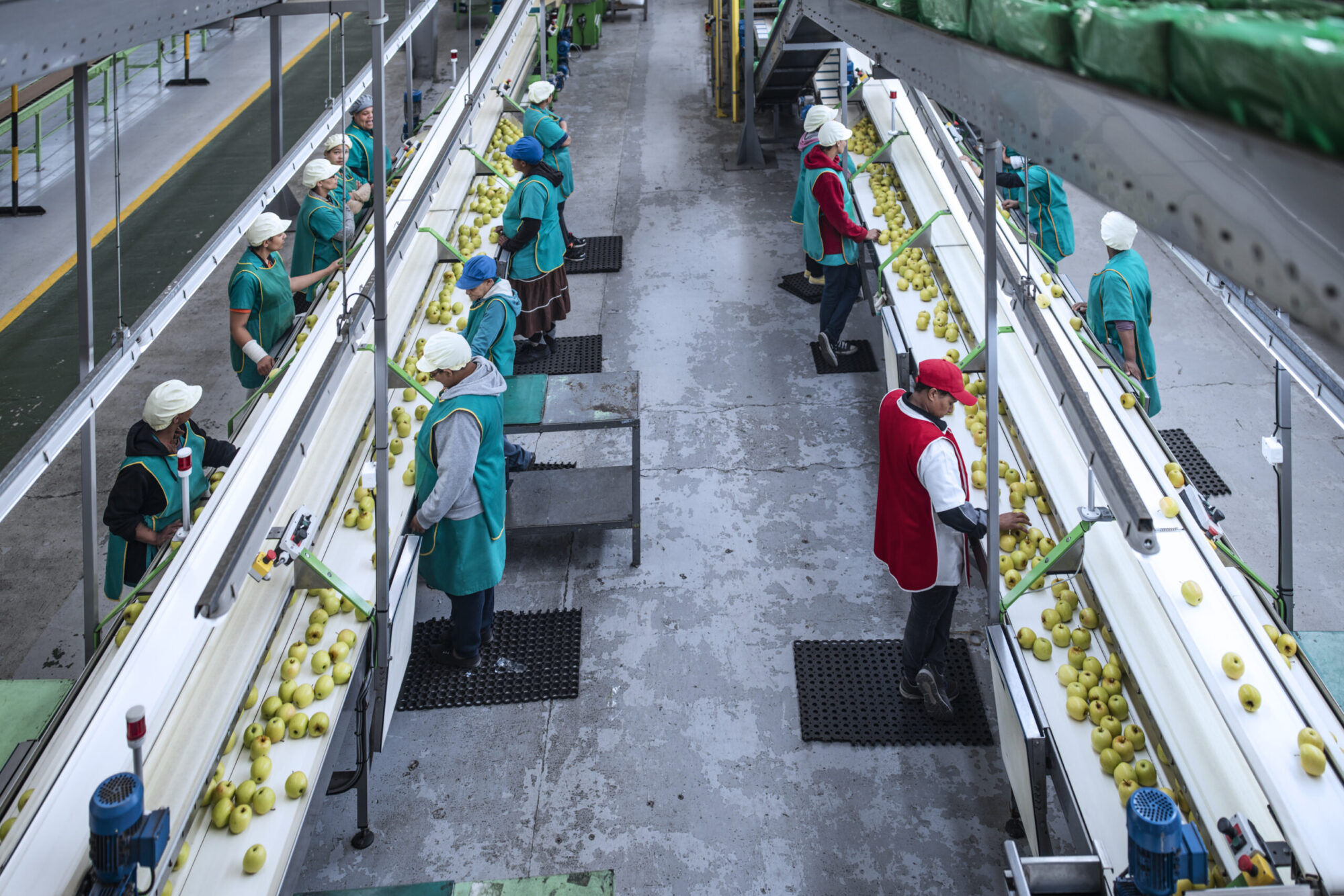
Women working in apple factory

Signs That a Plant Layout Needs Improvement

A manufacturer may benefit from a plant layout study when:

  • Materials regularly cross the same areas multiple times
  • Forklift congestion disrupts production
  • Employees spend excessive time moving materials
  • Work-in-process accumulates between operations
  • Production capacity is lower than equipment capacity
  • Maintenance access is restricted
  • Storage consumes production space
  • New equipment cannot be installed efficiently
  • Finished goods move backward through the facility
  • Production areas create recurring safety concerns
  • The plant has expanded without an overall layout plan
  • Equipment downtime affects multiple downstream processes

These conditions often indicate that the physical arrangement no longer supports the manufacturing process.

Optimization of Manufacturing Processes

Plant Layout Design and Lean Manufacturing

Plant layout is a critical component of lean manufacturing.

A lean manufacturing layout seeks to eliminate waste associated with:

  • Transportation
  • Motion
  • Waiting
  • Inventory
  • Overproduction
  • Overprocessing
  • Defects
  • Underutilized talent

A layout that supports continuous flow can reduce waiting, movement and work-in-process inventory.

However, plant layout should not be changed based on lean principles alone. The layout must also account for equipment capabilities, product mix, maintenance, safety, utilities and future requirements.

Using 2D and 3D Models in Plant Layout Design

Digital plant models allow engineers and project stakeholders to evaluate layouts before construction or equipment installation begins.

Depending on the project, models may be used to:

  • Verify equipment fit
  • Identify clearance conflicts
  • Analyze material flow
  • Coordinate utilities
  • Review maintenance access
  • Evaluate operator work areas
  • Plan construction sequencing
  • Communicate concepts to stakeholders
  • Reduce field changes

Three-dimensional modeling is particularly valuable in congested facilities and projects involving complex equipment, platforms, conveyors or utility systems.

Common Plant Layout Design Mistakes

Designing Around Equipment Footprints Only

The equipment footprint is only one part of the required space. Layouts must also account for access, material flow, controls, utilities, safety and maintenance.

Ignoring Work-in-Process Storage

Production rarely moves perfectly from one operation to the next. Without planned staging, aisles and work areas often become congested.

Failing to Plan for Maintenance

Equipment that cannot be accessed or removed efficiently can create extended downtime and costly modifications.

Optimizing Individual Machines Instead of the Entire Process

Increasing the capacity of one operation may have little value if downstream equipment cannot handle the additional output.

Overlooking Utility Requirements

A proposed equipment location may appear effective until the cost of structural work, power distribution, piping or dust collection is considered.

Failing to Plan for Expansion

A layout that uses every available square foot can prevent the facility from accommodating future equipment or capacity.

Separating Layout Design From Implementation Planning

A layout may be technically sound but difficult to build in an operating facility. Construction sequencing and production continuity should be considered during design.

Learn More

Please enter your name.
Please enter a message.

What Is Included in a Plant Layout Study?

The scope of a plant layout study depends on the project, but deliverables may include:

  • Existing-condition drawings
  • Equipment inventory
  • Process-flow diagrams
  • Material-flow analysis
  • Capacity review
  • Bottleneck identification
  • Conceptual layout alternatives
  • Equipment arrangement drawings
  • Utility requirements
  • Expansion recommendations
  • Implementation phases
  • Preliminary cost considerations
  • Recommended next steps

The study provides a structured basis for making facility and equipment decisions before detailed engineering and construction begin.

What Makes an Optimal Plant Layout?

An optimal plant layout is not simply the layout that uses the least floor space.

The right layout balances:

  • Production efficiency
  • Material handling
  • Worker safety
  • Equipment access
  • Maintenance
  • Utilities
  • Flexibility
  • Capital cost
  • Operating cost
  • Future expansion
  • Construction feasibility

Different manufacturers may select different layouts even when they use similar equipment. The optimal solution depends on the facility, product mix, production volume, workforce and long-term business objectives.

Frequently Asked Questions About Plant Layout Design

What is the main objective of plant layout design?

The main objective is to arrange equipment, people, materials and support functions so the manufacturing process operates safely, efficiently and reliably.

When should a manufacturer complete a plant layout study?

A plant layout study should be considered before building a new facility, expanding an existing plant, installing major equipment, increasing production capacity or making significant changes to the manufacturing process.

How long does plant layout design take?

The schedule depends on the facility size, project complexity, available documentation and required level of detail. A focused conceptual study may take several weeks, while a comprehensive plant design and detailed engineering project may require several months.

Can a plant layout be improved without expanding the building?

Yes. Equipment relocation, storage changes, improved staging, material-handling modifications and removal of obsolete equipment can often create additional capacity within the existing building.

What information is needed to begin plant layout design?

Useful information may include building drawings, equipment lists, production volumes, process sequences, equipment specifications, material dimensions, utility requirements and future capacity projections.

What is the difference between plant layout design and plant engineering?

Plant layout design focuses primarily on the physical arrangement and flow of the facility. Plant engineering can include layout along with structural, mechanical, electrical, civil, process and utility engineering required to implement the project.

Should plant layout design include future growth?

Yes. Even when future equipment is not fully defined, the layout should identify expansion areas, utility capacity, access routes and potential connection points.

Plant Layout Design Services From Crow Engineering

Crow Engineering helps manufacturers plan new facilities, improve existing plants, integrate equipment and prepare for long-term growth.

Our plant layout engineering capabilities can include:

  • Existing-facility documentation
  • Production-flow analysis
  • Equipment arrangement
  • Material-handling design
  • Plant layout optimization
  • Facility expansion planning
  • Equipment modernization planning
  • Utility coordination
  • Structural engineering
  • Dust-collection coordination
  • Detailed engineering
  • Construction and installation support

Our objective is to develop a plant layout that can be built, operated, maintained and expanded successfully.

Start With a Plant Layout Review

Plant layout decisions affect production capacity, labor, safety, maintenance and operating cost. Whether you are planning a new facility, expanding an existing plant or installing new equipment, early engineering can help identify problems before they become expensive field changes.

Contact us to discuss your manufacturing facility, production objectives and plant layout requirements.


Industries We Serve

At Crow Engineering, we are committed to delivering innovative, efficient, and cost-effective engineering and design solutions across a wide range of industries. Contact us today to discuss your project and discover how we can help you achieve your goals. Your success is our priority.

Crow Standing Pose.I06.2k

Full-Service Engineering, Project, and Construction Management Support

  • Crow Engineering provides comprehensive support for wood processing facilities, from concept to completion.
  • Our project and construction management expertise ensures successful outcomes.

Custom Machinery and Material Handling Design

  • We specialize in designing custom machinery and material handling systems for the forestry and lumber industry.
  • Tailored solutions to optimize wood processing operations.

Consulting and Estimation Services

  • Crow Engineering offers consulting and estimation services throughout the capital process.
  • We help you make informed decisions and manage costs effectively.

Owners Representation

  • We act as your trusted representative throughout the project, ensuring your interests are protected.

Full-Service Engineering, Project, and Construction Management Support

  • Crow Engineering provides comprehensive support for industrial and manufacturing facilities.
  • Our project and construction management expertise ensures successful outcomes.

Custom Machinery and Material Handling Design

  • We specialize in designing custom machinery and material handling systems for industrial and manufacturing processes.
  • Tailored solutions to optimize your operations.

Consulting and Estimation Services

  • We specialize in designing custom machinery and material handling systems for industrial and manufacturing processes.
  • Tailored solutions to optimize your operations.

At Crow Engineering, we are committed to delivering innovative, efficient, and cost-effective engineering and design solutions across a wide range of industries. Contact us today to discuss your project and discover how we can help you achieve your goals. Your success is our priority.

Full Architectural and Structural Design Services

  • Crow Engineering provides complete architectural and structural design solutions for cold storage facilities.
  • Our designs prioritize energy efficiency and storage capacity.

Site Planning and Civil Engineering

  • We excel in site planning and civil engineering, ensuring that your cold storage facility is optimized for your company’s needs.

Electrical and Controls

  • Our electrical and controls expertise ensures that your cold storage facility operates reliably and efficiently.
  • Customized solutions for automation and monitoring.

Full Architectural and Structural Design Services

  • Crow Engineering delivers architectural and structural design services for distribution facilities.
  • Our designs prioritize efficiency, accessibility, and storage capacity.

Site Planning and Civil Engineering

  • We excel in site planning and civil engineering, optimizing the layout of distribution facilities for smooth operations.

Electrical and Controls

  • Our electrical and controls solutions enhance the functionality and reliability of distribution facilities.
  • We customize designs to meet your specific needs.

Material Handling and Storage Design

  • Crow Engineering specializes in designing material handling and storage systems to maximize efficiency and productivity.
  • We provide complete design services for conveyance, transfer, and bulk material handling needs.

Support Steel, Walkway, and Platform Design

  • Crow Engineering excels in designing structural systems for chemical plants.
  • Our solutions prioritize safety, functionality, and compliance with industry standards.
  • Innovative engineering to support your chemical processing operations.

Civil Engineering Support

  • Our civil engineering expertise includes site preparation and infrastructure design.
  • We ensure the seamless integration of chemical facilities into their surroundings.

Process Equipment Integration

    • We specialize in integrating process equipment into chemical plants, optimizing operations and efficiency.
    • Precision engineering to streamline your chemical processing.

Feedstock Handling Systems

  • We design and optimize feedstock handling systems for energy production.
  • Our solutions ensure the efficient supply of raw materials to energy facilities.

Boiler Integration

  • Crow Engineering excels in integrating boilers into complicated existing arrangements.
  • We excel at developing plans for the replacement of these systems in extremely challenging locations.

Electrical and Controls

  • Our electrical and control solutions enhance the reliability and performance of energy facilities.
  • We customize designs to meet your boiler and steam control needs. 

Full-Time Construction Management, Scheduling, and Vendor Management

  • Crow Engineering offers comprehensive construction management services.
  • We handle scheduling and vendor management to ensure projects stay on track.
  • Full vendor and contractor management on behalf of your organization.
  • Full time onsite support services throughout the life of the project.

Construction Engineering

  • Our construction engineering expertise can help assist with the most challenging equipment installations.
  • Full customized design for unique lifting, shoring, equipment setting, and repair needs during installation.

Inspection Support

  • We provide inspection support to ensure that construction projects meet all regulatory and quality standards.

Our Clients

Advanced Engineering Tools for Precision Optimization

We leverage industry-leading software and simulation tools to analyze, design, and implement efficient process solutions.
cad

AutoCAD

3d-model

Revit

BIM Technology
heatmap

Finite Element Analysis

FEA
raven

Control Systems Engineering